Design trends are popular styles, techniques, or approaches in design that gain widespread use during a particular period. They reflect the time’s collective preferences, cultural influences, technological advances, and user expectations. Design trends can emerge across fields such as web design, graphic design, interior design, fashion, and more.
How Do Design Trends Emerge?
Design trends often arise from:
- Technological Advancements: As new tools, software, or devices become available, designers experiment with new possibilities (for example, 3D graphics, artificial intelligence, augmented reality).
- Cultural and Social Shifts: Trends often reflect broader social movements, such as environmental awareness, diversity, or nostalgia for certain eras.
- User Behaviour: As people interact with technology and media, their preferences and expectations change, influencing what feels “modern” or “user-friendly.”
- Influential Brands or Designers: When well-known companies or designers introduce innovative ideas, others may adopt and adapt these approaches.
Why Are Design Trends Important?
- Visual Appeal: Trends help keep designs looking fresh, modern, and attractive to users.
- Usability: Trends often reflect improved usability and accessibility based on new research or user feedback.
- Brand Perception: Following current trends can signal that a brand is innovative, up-to-date, and attentive to user needs.
- Competitive Advantage: Being aware of and selectively adopting trends can help distinguish a product or website from competitors.
Why do design trends matter?
- Relevance: Following trends helps websites look modern and appealing to current audiences.
- User Expectations: Users become accustomed to certain interactions and aesthetics.
- Competitive Edge: Being aware of trends allows designers to create distinctive experiences while maintaining usability.
- Innovation: Trends often arise from new technologies or creative experimentation, pushing the field forward.
Examples of Design Trends
In Web Design:
- Minimalism: Clean layouts, ample whitespace, and a focus on essential elements.
- Dark Mode: Interfaces with dark backgrounds for reduced eye strain and a sleek look.
- Micro-Animations: Small, subtle animations that guide users or provide feedback.
- Bold Typography: Large, expressive fonts used for emphasis and personality.
- Glassmorphism: Use of frosted-glass effects and transparency in UI elements.
In Graphic Design:
- Retro and Vintage Styles: Incorporating elements from past decades for a nostalgic feel.
- Muted Colour Palettes: Softer, less saturated colours for a calming effect.
- Geometric Shapes: Use of simple shapes for structure and visual interest.
How to Use Design Trends Effectively
- Stay Informed: Regularly explore design publications, galleries, and showcases to keep up with what’s trending.
- Be Selective: Not every trend suits every project. Choose trends that enhance your message and user experience.
- Balance Trend and Timelessness: Combine trendy elements with classic design principles for longevity.
- Test with Users: Ensure that adopting a trend improves—not hinders—usability and accessibility.
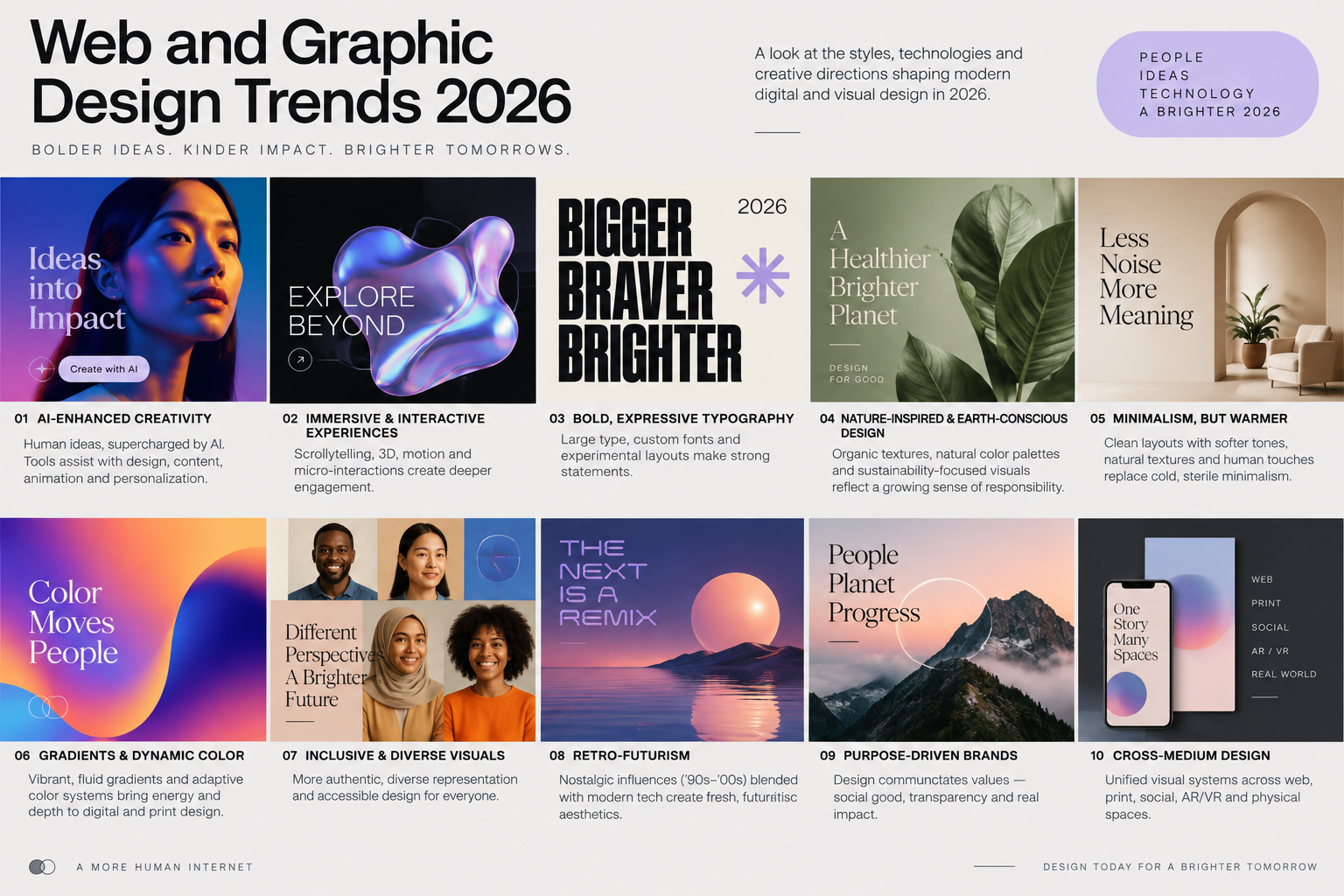
Here are some of the top website design trends expected to dominate in 2026:
- AI-Powered Personalisation
Websites will increasingly use AI to tailor content, layouts, and product recommendations in real time, creating highly individualised user experiences. - Immersive 3D Elements & Micro-Interactions
Advanced graphics, subtle animations, and 3D visuals will create engaging, interactive interfaces that capture attention without overwhelming users. - Minimalist Neobrutalism
A blend of minimalism with bold, raw elements—think large typography, exposed grids, and high-contrast colour schemes—will give sites a modern, memorable edge. - Voice & Conversational UI Integration
With the rise of voice assistants, more websites will offer voice search and navigation, as well as chatbot-driven interactions for customer support and engagement. - Sustainable & Eco-Conscious Design
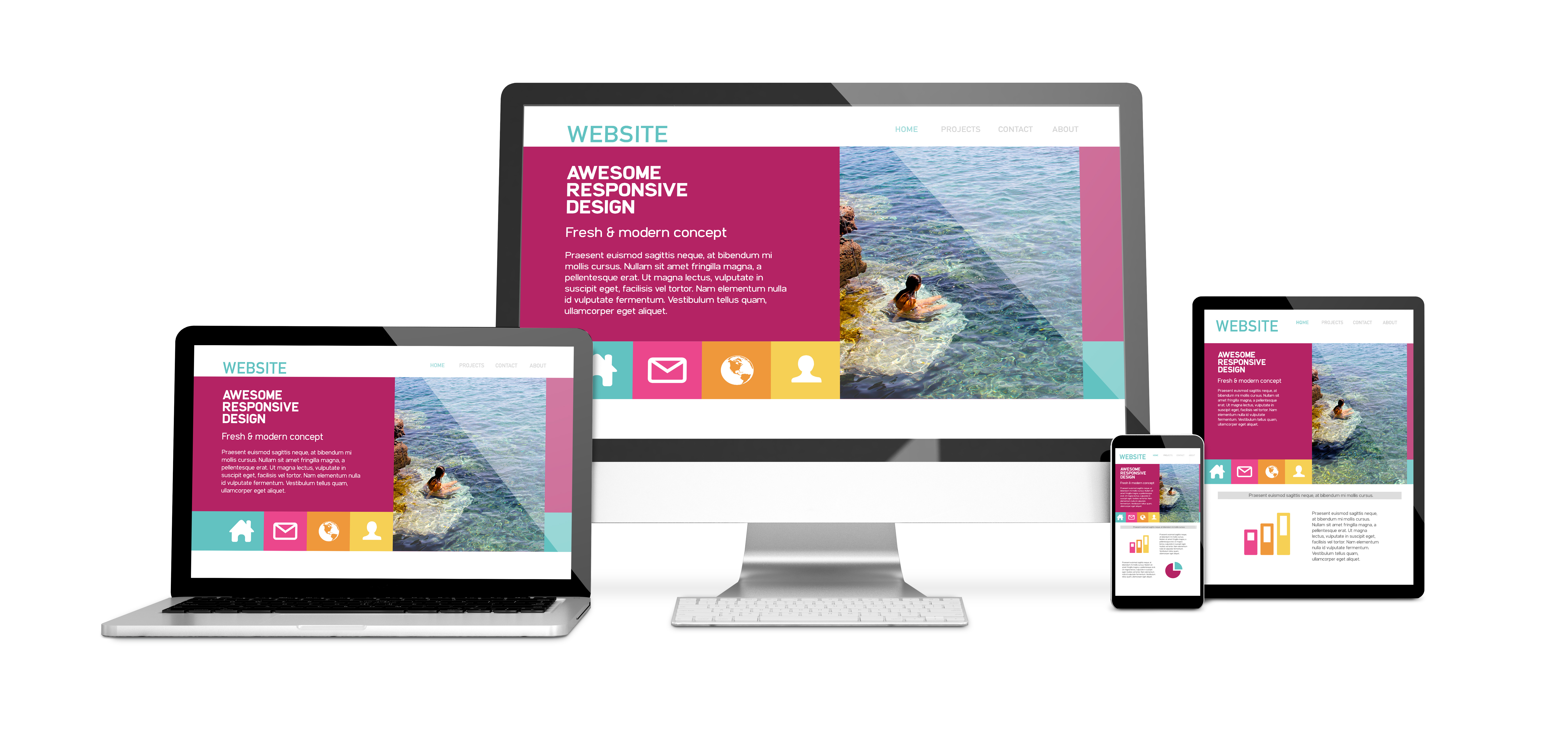
Eco-friendly design choices, such as low-energy colour schemes, optimised images, and carbon footprint badges, will reflect growing environmental awareness. - Fluid, Responsive Layouts for All Devices
Designs will move beyond simple responsiveness, adapting seamlessly to an ever-wider range of devices, screen sizes, and even wearables. - Dynamic Typography
Animated and interactive typefaces will be used strategically to create visual interest and guide users’ attention. - Augmented Reality (AR) Experiences
AR features—like virtual product try-ons or interactive room visualisations—will be increasingly embedded directly into web pages, especially for e-commerce and real estate. - Privacy-First UX
Clear privacy controls, transparent data policies, and user empowerment features will become standard as users demand more control over their online data. - Cinematic Scrolling & Storytelling
Websites will use scroll-triggered animations and storytelling elements to create engaging, narrative-driven experiences that lead users through content.
Here are some of the top Graphic design trends expected to dominate in 2026:
1. AI-Generated Art
Designers are embracing artificial intelligence tools to create unique, surreal, and often unexpected visuals. AI-generated patterns, illustrations, and even branding elements are making their way into mainstream design.
2. Bold Custom Typography
Large, expressive, and hand-crafted typefaces are taking centre stage. Designers are using unique fonts—sometimes created specifically for a project—to establish stronger brand identities and draw attention.
3. Maximalism
In contrast to minimalism, maximalist designs feature rich colours, layered elements, elaborate patterns, and a “more is more” approach. This creates a sense of energy and personality.
4. Retro Futurism
Blending nostalgia with futuristic elements, this trend combines neon colours, chrome effects, vintage tech imagery, and early web aesthetics with modern design sensibilities.
5. Motion & Kinetic Design
Animated graphics, moving text, and interactive elements are being integrated into everything from social posts to logos, making designs more dynamic and engaging.
6. Eco-Conscious Visuals
Designs that emphasise sustainability—such as earthy colour palettes, recycled textures, and natural imagery—reflect the growing importance of environmental awareness.
7. 3D and Depth Effects
3D objects, layered images, and shadow effects add a sense of realism and depth to both digital and print designs, creating more immersive visuals.
8. Abstract Gradients and Blends
Soft, flowing gradients and colour blends are replacing flat colour blocks, offering a modern, ethereal look that feels fresh and fluid.
9. Inclusive & Diverse Imagery
Designers are intentionally featuring people from diverse backgrounds, abilities, and identities, ensuring that visual content feels more authentic and representative.
10. Minimalist Line Art
Simple, clean, continuous line drawings—often used for portraits, icons, and backgrounds—convey elegance and clarity while maintaining visual interest.
Today, which design is trending next year may be invisible, but next year this design will come with more advanced features. But our Design will be more beatiful more smooth more advance more user-friendly. Humans always adapt better; they always do.
0 Comments